


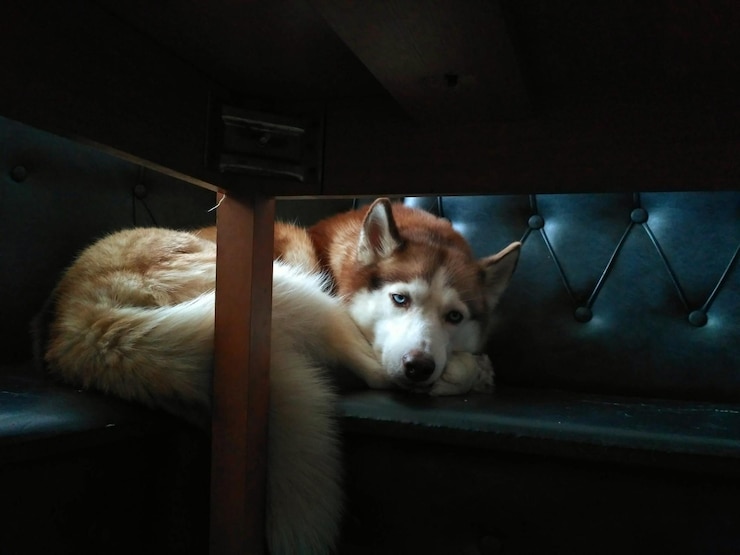
We all love adorable puppies—those floppy ears, wagging tails, and sweet eyes can melt anyone’s heart. But behind some of those pet store windows and online puppy listings lies a heartbreaking truth: many of these pups come from puppy mills.
Puppy mills are commercial breeding facilities that prioritize profit over the health, safety, and happiness of dogs. These places are often hidden from the public eye, and if you’ve never heard of them, you’re not alone. Unfortunately, that’s exactly how they thrive.
Let’s take a closer look at why puppy mills are a serious problem and what you can do to help stop them.
The Hidden Cruelty Behind Puppy Mills
Most puppy mills operate under radar, producing large numbers of puppies in extremely poor conditions. The dogs are often kept in tiny cages, with minimal human interaction or veterinary care. Here’s the truth:
- Mother dogs are forced to breed repeatedly, with little to no rest between litter.
They’re treated as machines rather than living beings. Their physical and emotional well-being is ignored for the sake of churning out more puppies to sell.
The pups are separated from their mothers far too early, often leading to behavioral and health issues that can last a lifetime. When dogs are no longer “useful” for breeding, they’re usually discarded—either abandoned or euthanized.
It’s a heartbreaking cycle of suffering.
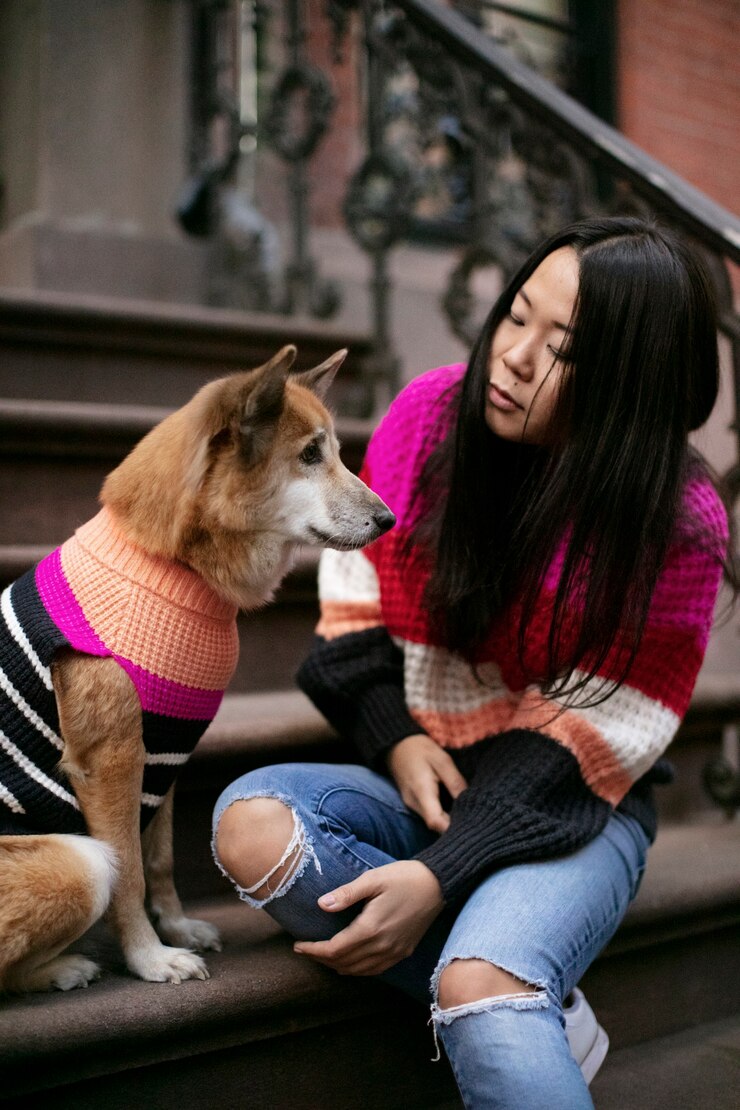
Why Buying from Puppy Mills Is a Big Problem?
If you’ve ever bought a puppy from a pet store or online breeder without doing research, there’s a chance you may have unknowingly supported a puppy mill. These operations thrive because they keep their practices hidden and rely on people being unaware of them.
Buying from a puppy mill doesn’t just support cruelty—it can also bring problems into your home. Dogs raised in such environments often suffer from:
- Chronic health problems
- Poor socialization skills
- Behavioral issues like fear and aggression
The initial cost of buying from a mill might seem low, but vet bills and behavioral training quickly add up—not to mention the emotional toll of caring for a sick pet.
How to Spot and Avoid Puppy Mills?
Not every breeder is unethical, but puppy mills are masters in disguise. To avoid them, you need to be a savvy and cautious buyer. Here’s how:
- Never buy a puppy without visiting the breeder’s location. See how the animals are treated.
- Meet the puppy mom and dad if possible; a trustworthy breeder will gladly introduce them.
- Check out references and reviews. Ask for veterinary records.
- Avoid breeders who are only willing to ship a puppy without in-person contact.
Better yet? Adopt a shelter or rescue organization. Thousands of wonderful dogs are waiting for homes—many of them purebred.
Taking a Stand Against Puppy Mills
You don’t have to be a superhero to make a difference. Just being informed and sharing what you know can create a real change. Here’s what you can do:
- Support legislation that bans puppy mills or enforces stricter regulations.
- Choose adoption or reputable breeders that prioritize animal welfare.
- Educate friends and family—especially those considering a new pet.
One person can’t shut down every puppy mill, but together, we can reduce their demand and shine a light on their cruelty.
Conclusion: Choose Love, Not Cruelty
Puppy mills exist because they’ve managed to stay hidden in the shadows. But as more people become aware of their practices, their power begins to crumble. Choosing where and how to get a pet isn’t just a personal decision—it’s a statement of values.
When you choose to adopt or buy responsibly, you choose compassion over cruelty. You’re giving voice to the voiceless and helping ensure that every wagging tail comes from a place of love—not suffering.
Let’s work together to put an end to puppy mills—because every dog deserves a safe, loving home.