


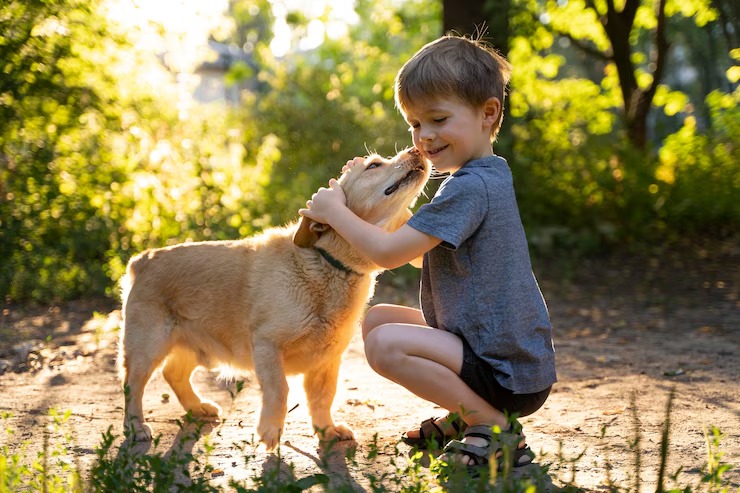
It’s hard to imagine now, but the loyal dog sleeping by your feet or the purring cat curled up on your couch has wild ancestry. Before they became our companions, pets were survivalists—fierce, independent, and free. So how did we go from fearing wild animals to inviting them into our homes, our families, and our hearts?
The journey from wild to mild is a fascinating tale of evolution, mutual trust, and unconditional love.
The Beginning: A Bond Born of Survival
Thousands of years ago, early humans and animals crossed paths in the wilderness—not as friends, but as rivals. However, over time, a quiet partnership began to form. Wolves, attracted by leftover food near human camps, slowly lost their fear of people. In return, humans gained alert protectors who could help warn them of danger.
Thus began the domestication of animals—starting with the wolf, which eventually evolved into the dog. Similarly, cats likely started hanging around human settlements to hunt rodents, earning their keep and eventually our affection.
Taming the Wild Heart
Domestication isn’t just about taming an animal—it’s about generations of building trust. Over centuries, humans selectively bred animals for specific traits: gentleness, loyalty, trainability, and even friendliness. The results?
Dogs that guard, guide, or simply offer comfort. Cats that soothe us with their presence. Birds that sing and mimic our voices. Even rabbits and guinea pigs that bring calm and joy with their gentle nature.
These animals, once wild, have been reshaped through love and time into companions who understand our moods, offer emotional support, and fill our homes with warmth.
More Than Pets: Emotional Connections
Science now confirms what pet lovers have always known—our bond with animals is deep and real. Studies show that spending time with pets reduces stress, lowers blood pressure, and boosts happiness. Pets don’t judge. They don’t hold grudges. They offer something we all crave for unconditional love.
For children, growing up with pets teaches empathy and responsibility. For the elderly, pets reduce loneliness and provide a sense of purpose. For people with anxiety or PTSD, animals often serve as emotional anchors.

A Shared Responsibility
As animals become part of our families, we also take on a greater responsibility. Pet ownership is a lifelong commitment. It means providing not just food and shelter, but also love, patience, and proper care.
It also means advocating for the welfare of animals in the wild and in our communities—protecting endangered species, supporting shelters, and being a voice for those who can’t speak for themselves.
From Wild to Mild—and Beyond
The transformation of animals from wild creatures to beloved companions is one of the most beautiful stories in human history. It’s a reminder that trust can be built, fear can be replaced by love, and two very different species can become best friends.
So next time your dog wags its tail or your cat curls up beside you, remember—you’re witnessing the incredible journey from wild to mild. And in that quiet moment of companionship, you’re continuing a story that’s been unfolding for thousands of years.