


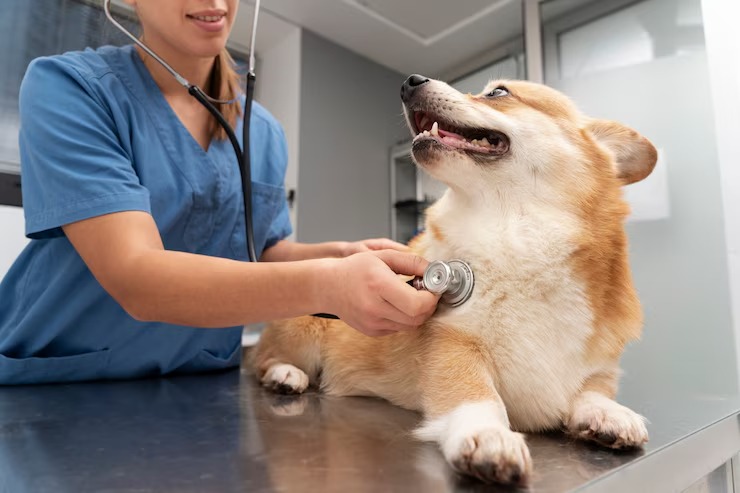
Our furry friends can’t talk, but they sure do communicate. A sudden change in behavior, a weird cough, or simply skipping a meal can send dog owners into a spiral of worry. While we always recommend consulting a vet, you can take the first step yourself by noticing signs early—and that’s where a dog symptom checker comes in handy.
Let’s walk through how to spot the signs, use digital tools smartly, and understand when it’s time to seek professional help.
What Is a Dog Symptom Checker and Why Should You Use One?
In today’s world, when our dogs start acting off, most of us turn to Google before calling the vet. But scrolling through dozens of forums and guessing can be more stressful than helpful. That’s where a dog symptom checker shines.
These tools are online platforms (sometimes apps) that help pet parents analyze symptoms by entering visible signs like vomiting, limping, or lethargy.
Based on the information you provide, they give possible causes ranging from mild to serious.
- Think of it as a digital “first aid friend” for your pup—not a replacement for a vet, but a helpful guide when you’re unsure.
These checkers are especially useful during odd hours, on weekends, or when you’re traveling and don’t have immediate vet access.
Common Dog Symptoms You Shouldn’t Ignore
Dogs are champs hiding discomfort. It’s instinctual. But some symptoms are their way of shouting, “Hey, something’s not right!”
Here are signs to watch out for:
Physical Symptoms
- Limping, stiff joints, or difficulty standing
- Ongoing upset stomach or digestive issues
- Excessive scratching or biting their skin
- Sudden weight loss or gain
Behavioral Changes
- Hiding or becoming overly clingy
- Aggression out of nowhere
- Unusual whining, barking, or pacing
- Decreased energy or sleeping too much
When a Dog Symptom Checker Becomes Your Best Friend
Let’s say it’s midnight. Your pup is coughing and refuses dinner. You’re unsure—panic or wait out? A quick use of a dog symptom checker can guide
you to narrow down possible causes. Maybe it’s just a hairball… or maybe it’s a kennel cough.
These tools give you options like:
- “Monitor at home”
- “See a vet within 24 hours”
- “Emergency: go now!”
That’s peace of mind when you’re standing in your pajamas with a flashlight inspecting your dog’s poop (we’ve all been there).

How to Use a Symptom Checker Effectively?
To get the most accurate insights, provide clear details. These tools rely on the info you input, so being specific helps.
Here’s how to use it right:
1. Be detailed – “Coughing after drinking water” is better than just “coughing”
2. Mention timing – How long has it been happening?
3. List all symptoms – Even if they seem unrelated
Remember: A symptom checker doesn’t replace a vet. It’s a decision-support tool, not a diagnosis.
When It’s Time to Head to the Vet, No Questions Asked
While tech helps, some symptoms should trigger a vet visit immediately:
- Seizures or collapse
- Difficulty breathing
- Bloody vomit or stool
- Pale gums or swollen belly
Even if the checker suggests a mild issue, trust your gut. You know your dog better than any AI or app.
Conclusion: Trust the Tech, But Trust Your Instinct More
Being a pet parent means becoming a detective sometimes. The more we understand our dog’s behavior and symptoms, the faster we can help them feel better. A dog symptom checker is a fantastic first step—it gives you insights, eases anxiety, and helps you take informed actions.
But don’t forget the power of a loving human touch, a warm blanket, and a quick call to your vet when things just don’t feel right.