


Quick Answer: Persian cat price varies based on face structure (traditional doll-face versus the more extreme modern flat-face standard), coat quality, lineage and registration, breeder health testing, and regional demand. Persians require regular grooming due to their long coat and are prone to specific health conditions including polycystic kidney disease and breathing difficulties in extreme flat-faced lines. Buyers should weigh price against documented health screening rather than face shape alone.
Two Persian cats can look dramatically different from each other despite belonging to the same breed, and that visual variation is directly tied to why their prices can differ so much too. A Persian with a more traditional, moderately rounded face and a Persian with the extreme, heavily flattened “peke-face” structure popularized in recent decades are technically the same breed, but they represent very different breeding priorities, health profiles, and price points.
Understanding this distinction, along with the other factors that genuinely move Persian cat price up or down, helps buyers make a more informed choice than simply comparing numbers across listings.
Doll-Face vs. Flat-Face: The Distinction That Drives Most Price Variation
The single biggest factor in Persian cat price differences is facial structure, and it is worth understanding clearly before anything else.
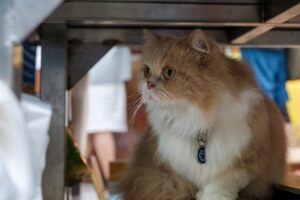
Traditional or “doll-face” Persians have a moderately rounded face with a more visible, less compressed nose, closer to how Persians appeared decades ago before extreme flat-face breeding became popular. This structure generally carries fewer of the breathing and tear-duct complications associated with extreme facial flattening.
Modern or “peke-face” Persians have an extremely flattened facial structure, with the nose positioned almost level with the eyes. This look has become strongly associated with the show standard in some registries and commands a notable price premium due to demand, despite carrying meaningfully higher health risk.
The health implication is significant. Extreme flat-faced Persians are more prone to brachycephalic airway syndrome, chronic tear duct overflow leading to staining and skin irritation, and dental crowding from a shortened jaw housing a normal number of teeth. Buyers paying a premium for the extreme flat-face look should understand they may also be taking on a higher likelihood of ongoing veterinary care related to these structural issues.
Other Factors That Influence Persian Cat Price
Coat Color and Pattern
Persians come in an extensive range of colors and patterns, solid, tabby, calico, bicolor, and the prized chinchilla silver pattern among others. Certain rare or highly sought-after color and pattern combinations command higher prices purely due to aesthetic demand and relative rarity within breeding lines, independent of any health or quality difference.
Lineage and Show Quality
Persians from championship show lines, registered with bodies like CFA or TICA (The International Cat Association), and bred specifically to meet competitive show standards typically cost more than pet-quality kittens from the same general breed. Show-quality breeding involves significant investment in genetics, presentation, and competitive showing that pet-quality breeding does not require.
Health Testing and Screening
Persians are predisposed to polycystic kidney disease (PKD), a genetic condition causing progressive kidney cysts that can lead to kidney failure over time. Responsible breeders test for the PKD genetic mutation and only breed PKD-negative cats. This testing adds cost to a breeding program and is typically reflected in higher kitten prices, but it substantially reduces the risk of a serious, expensive, and ultimately fatal condition emerging later in the cat’s life.
Coat Length and Grooming Requirements
The Persian’s signature long, dense coat requires daily brushing to prevent matting, and this grooming demand is sometimes reflected in how breeders price and market their kittens, particularly when kittens come from lines specifically bred for exceptionally luxurious coat quality desired in the show ring.
What Drives the Cost of Owning a Persian Beyond the Purchase Price
Grooming: Daily brushing is non-negotiable for this breed to prevent painful matting, and many Persian owners also budget for periodic professional grooming, particularly for trimming around the eyes and sanitary areas where the long coat creates hygiene challenges.
Eye and tear duct care: Persians, especially flatter-faced individuals, are prone to excessive tearing that requires regular cleaning around the eyes to prevent staining and skin irritation, an ongoing daily task rather than an occasional one.
Veterinary monitoring for PKD: Even with PKD-negative parents, periodic kidney function monitoring through bloodwork is a sensible ongoing veterinary cost for Persian owners, particularly as the cat ages.
Climate considerations: In hot climates such as Dubai, the Persian’s dense coat and, for flat-faced individuals, reduced respiratory efficiency for heat dissipation through panting, mean indoor climate control is especially important for this breed’s comfort and safety.
How to Evaluate Whether a Persian’s Price Reflects Real Value
Ask which facial structure type the kitten has and why that structure was bred for. A breeder who can explain their breeding philosophy around facial structure and associated health trade-offs is more credible than one who simply markets the look without context.
Request PKD testing documentation for the parents. Given how serious and common this condition is in the breed, this single piece of documentation is one of the most important things to verify regardless of price point.
Consider the total cost of ownership, not just the kitten price. A Persian from a less extreme facial structure may cost less upfront and also cost less in ongoing veterinary care related to breathing or eye issues over its lifetime, which can make a lower initial price the better long-term value.
Verify registration and lineage documentation. Papers from a recognized registry confirm the kitten is a genuine, traceable Persian rather than a mixed-breed long-haired cat marketed under the name.
Frequently Asked Questions
Q: Why are flat-faced Persians more expensive than doll-faced Persians?
Flat-faced, or peke-face, Persians are priced higher primarily due to strong demand tied to this look being associated with modern show standards. This is a market preference rather than a health or quality indicator, and flat-faced Persians actually carry higher risk for breathing difficulties and tear duct problems than the more traditional doll-face structure.
Q: What health testing should Persian cat parents have?
Testing for polycystic kidney disease (PKD) is the most important screening for the breed, given how common and serious this genetic condition is in Persians. Reputable breeders test breeding cats and only pair PKD-negative individuals to avoid producing affected kittens.
Q: Does coat color affect Persian cat price?
Yes, in many cases. Rare or highly sought-after colors and patterns, such as chinchilla silver, often command higher prices due to aesthetic demand and relative scarcity within breeding lines, independent of any underlying health or quality difference compared to more common colors.
Q: How much grooming does a Persian cat actually need?
Daily brushing is generally necessary to prevent the Persian’s long, dense coat from matting, along with regular cleaning around the eyes to manage tear staining. Many owners also use periodic professional grooming services for trimming and deeper coat maintenance.
Q: Is a more expensive Persian cat always the healthier choice?
Not necessarily, and sometimes the reverse is true. Extreme flat-faced Persians often command higher prices due to demand for that look, despite carrying greater health risk than more moderately structured Persians. The most reliable indicator of a healthy choice is documented PKD testing and overall breeder transparency, not price alone.